Books and writing
Distilling ideas and theories through over 40 years of critical thinking and many more years of resistance to the mainstream.
Paul has explored the paradoxes of authenticity and non-mainstream fame, from the outsider literature of Bukowski and the Beats, to the outsider hip music of Steely Dan and the spectacle of Outsider Art. Each book has a full description and a direct link to the publisher.
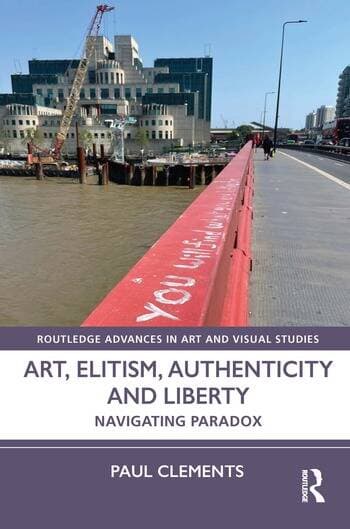
Art, Elitism, Authenticity and Liberty: Navigating Paradox
There is an excavation of the depths of creative purpose and meaning-making and the extent to which artist autonomy and authenticity in art is a struggle against psychological conditioning, controlling cultural institutions and markets, key to which is representation. The chapters are underpinned by examples from the arts, and the narrative weaves a trail through a range of conceptualizations that are applied to various aspects of visual culture from mainstream canonical arts to avant-garde, community and public art; social and political art to commercial art; and ethereal art to the popular, edgy and kitsch. The book is wide-ranging and employs various aesthetic, cultural, philosophical, political, psycho-social and sociological debates to highlight the problems and contradictions that an encounter with the arts and creativity engenders.
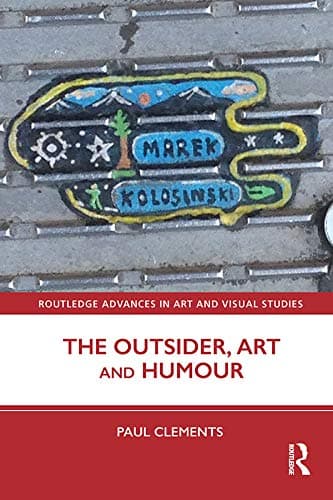
The Outsider, Art and Humour
This cross-disciplinary book, situated on the periphery of culture, employs humour to better comprehend the arts, the outsider and exclusion, illuminating the ever-changing social landscape, the vagaries of taste and limits of political correctness. Each chapter deals with specific themes and approaches – from the construct of outsider and complexity of humour, to Outsider Art and spaces – using various theoretical and analytical methods. The author draws on humour, especially from visual arts and culture (and to a lesser extent literature, film, music and performance), as a tool of ridicule, amongst other discourses, employed by the powerful but also as a weapon to satirize them. These ambiguous representations vary depending on context, often assimilated then reinterpreted in a game of authenticity that is poignant in a world of facsimile and 'fake news'. The humour styles of a range of artists are highlighted to reveal the fluidity and diversity of meaning which challenges expectations and at its best offers resistance and, crucially, a voice for the marginal.
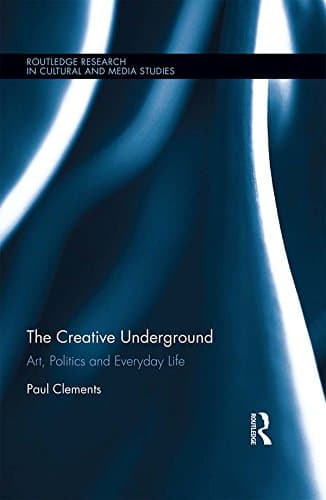
The Creative Underground: Art, Politics and Everyday Life
This book examines how the visionary creative ideas of avant-garde and resistant groups, represented by utopian literature and art manifestos, reinvent society. A range of these original texts are critically evaluated in relation to cultural, historical and sociopolitical contexts and effects, in addition to a variety of artistic and cultural practices. The book underlines their contribution to political ideology, aesthetic theory and public discourse as well as to material leisure practices and everyday life. This re-evaluation of progressive modernist concerns offers enchantment, reinvigorates culture and presents alternatives to established texts and cultural practices through the terms of active playful leisure. The book teases out the difficult relationship between the individual, culture and society in relation to marginality, while arguing that the creative underground is crucial for a better world, as it offers hope and vital expressions of difference.
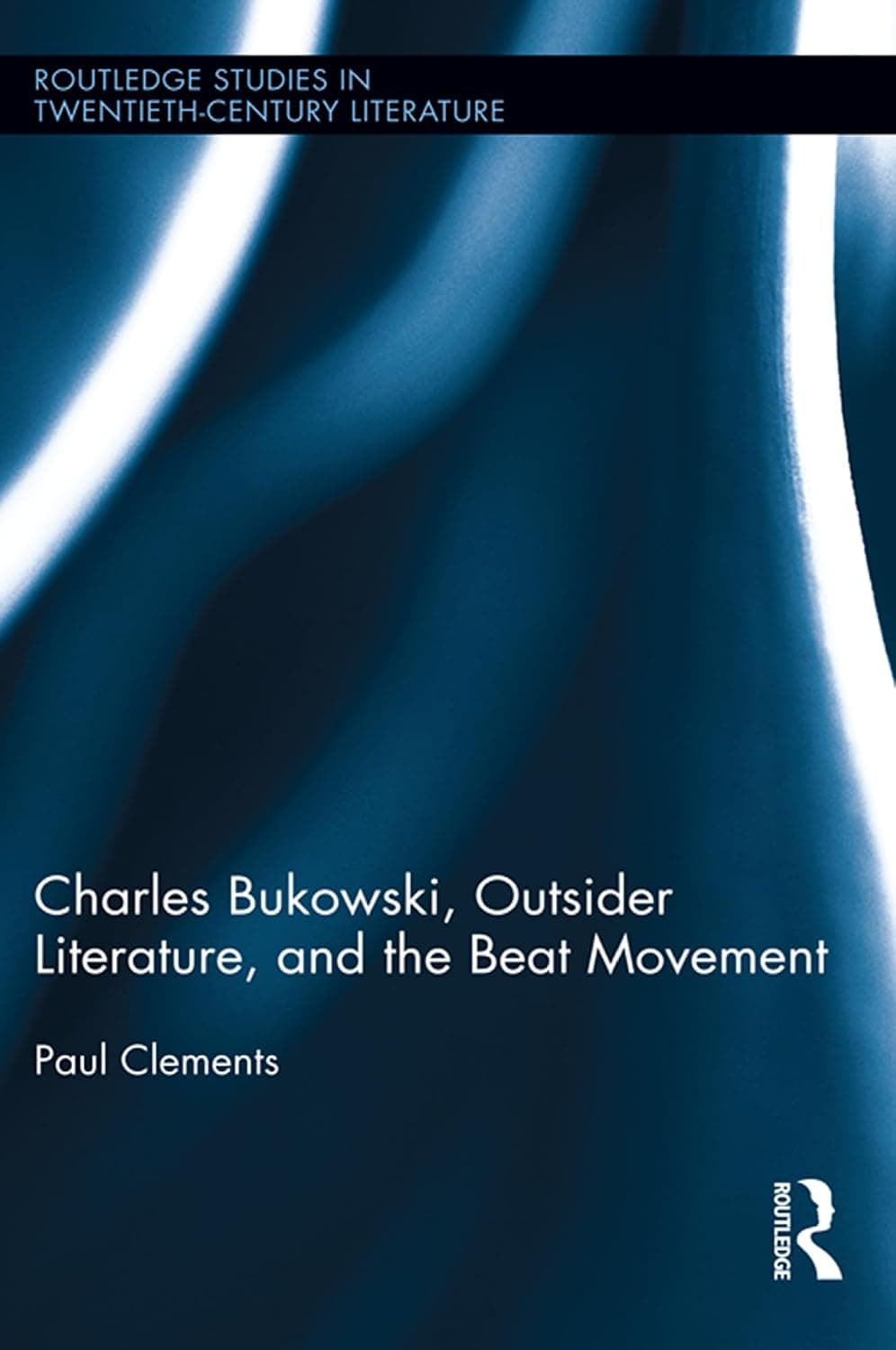
Charles Bukowski, Outsider Literature and the Beat Movement
Different methods of cultural analysis are employed to examine the beat writer Charles Bukowski and his literature, focusing on representations of the anti-hero rebel and outsider. It considers the complexities, ambiguities and contradictions represented by the author and his work, exploring Bukowski’s visceral writing of the cultural ordinary and everyday self-narrative. Particular themes include the writer’s apolitical, gendered and working-class stance, which contribute towards his construction of reality and how in turn he is represented with regards to American and beat literature. In addition, the book provides a broader socio-cultural focus that evaluates counterculture in relation to the American beat movement and mythology, highlighting the cool male anti-hero. The cultural practices and discourses utilized to situate Bukowski include art and life, the individual and society, outsiderdom, cult celebrity, fan embodiment and Disneyland, providing a wide-ranging understanding of the beat generation and counterculture literature.
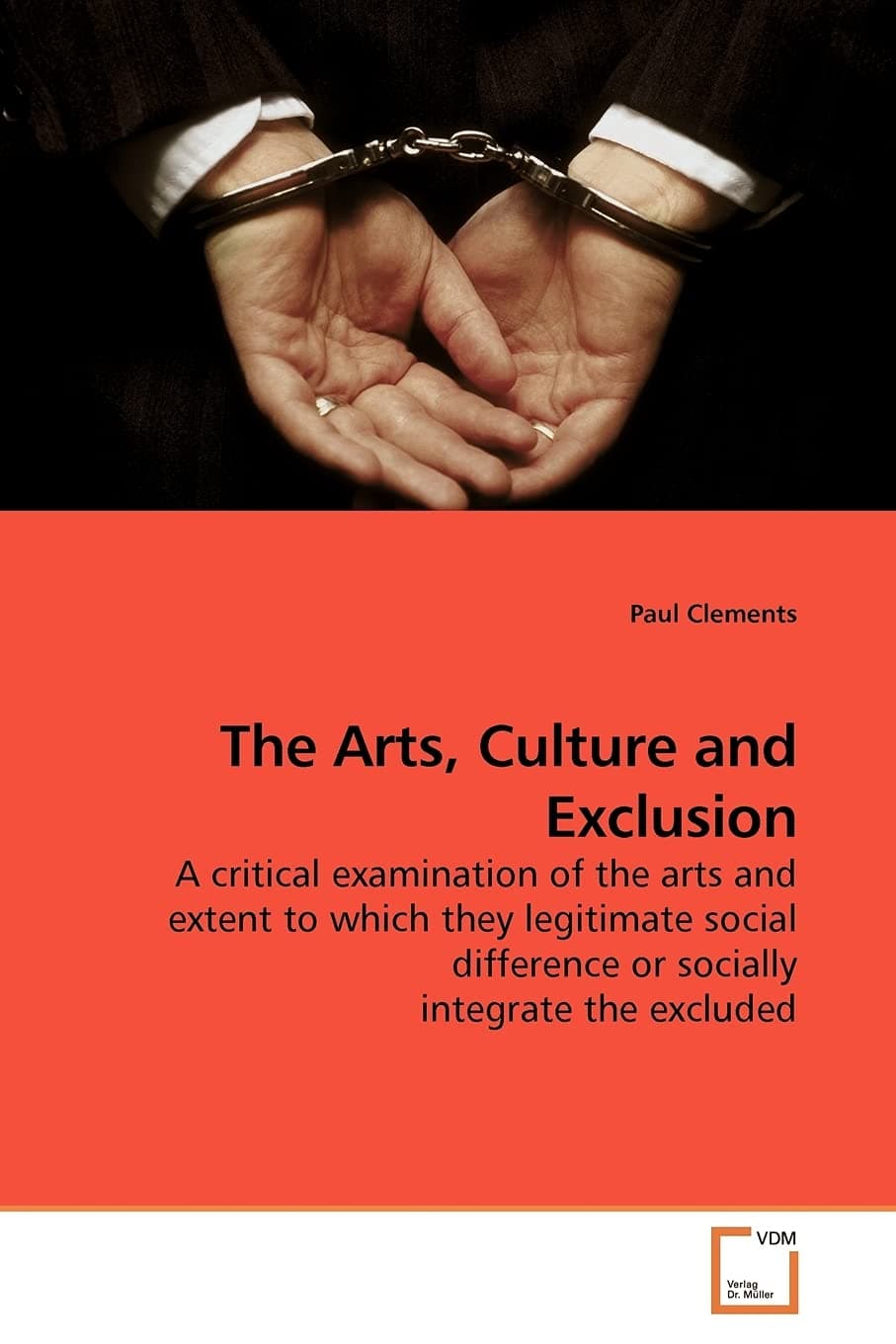
The Arts, Culture and Exclusion
With specific reference to the cultural policy set out by New Labour in the UK, this research explores the individual and social function of the arts and the extent to which they are agents of inclusion. The arts, an important aspect even driver of culture can be perceived as exclusive with taste reflecting socio-economic concerns which contradicts this function. Such a paradox requires an investigation into the complex and sometimes contradictory relationship between cultural and social inclusion and exclusion, as well as the methods used of evaluating impact.
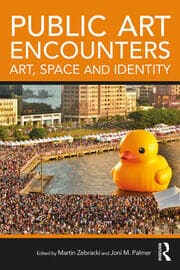
Chapter in - Public Art Encounters: Art, Space and Identity, J. Palmer and M. Zebraki (eds): 'The construction of post-communist ideologies and re-branding of Budapest: the case study of Statue Park Museum',
Paul investigates how audiences encounter the ambivalence of the tourist-tailored public art park on the outskirts of Budapest. He argues that such ambivalences are encrypted in changing state powers and hegemonic cultural memories. The site of decommissioned statuary is critically framed as a peripheral space between modernist and postmodernist discourses of the public sphere. Based on reception theories, the study reveals the complexity of representation and especially the extent to which ideology overwrites the free play of interpretation of cultural heritage. He argues that the public art park, in multiple ways, is not only a bellwether of changing geopolitical times but also highlights contrasting understandings of public art in Eastern and Central Europe.